


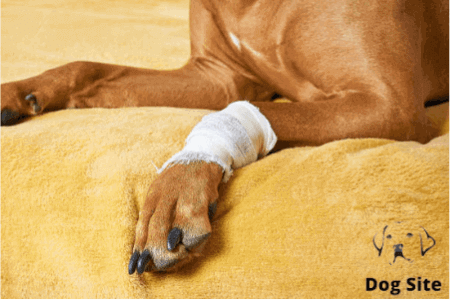
A dog owner may find himself or herself in the situation of needing to provide first aid to his or her dog . They may be need that at some point in time. This is not an unusual occurrence. Due to their natural curiosity, dogs often find themselves in potentially harmful situations . It can that happened when they are not intended to be there.
If they find themselves in a bad situation, it will be your obligation to help them out of it. How many of the difficulties that dogs face . It are analogous to those that we, the human species, have to deal with is astounding.
During the whole time you are attempting to get your dog to the veterinarian’s office, your dog will be fully dependant on you. Making ensuring that you have all of the resources you will need on available .
Try to stop the bleeding
Slowing or stopping the bleeding is necessary . Gaffa and tape are essential components of any dog’s first aid kit. However, there are numerous great topical blood-clotting medications available on the market today . Which it may be used to treat a variety of skin conditions.
It goes without saying that hydrogen peroxide is an essential requirement when it comes to wound cleaning. During this treatment, it is critical to cover a dog that is in shock with an old, clean blanket . It keep him comfortable.
Antihistamine for bee or wasp stings, antibiotic gel, and an eye cleaning solution are all goods . All of them should be included in a first aid kit in case of an emergency.
Carrying absorbent cotton, gauze rolls or pads and scissors (preferably with round ends) . Also a rectal thermometer and an empty syringe (without the needle) for delivering oral medications and elastic bandages to the hospital . It is also a good idea.
The veterinarian’s phone number
Preparing for first aid by being acquainted with the essential ideas of the profession will help you feel more at ease. Remember to have your veterinarian’s phone number on hand . It is important in case you need to call him for any reason at any hour of the day or evening.
Consider calling your veterinarian and notifying him of your worries if you suspect your dog may need specialised treatment in the middle of the night . May be on Saturday or Sunday, or during the weekend.
Perhaps he can provide you with some helpful advice or point you in the direction of the most suitable person to contact in order to get in touch with him.
Pet emergency services are now accessible in a number of different locations around the country. As an added precaution, have their contact information in your first aid kit.
Be careful from injured dog
Consider that a dog that has been injured is likely to be afraid and may attack you if he feels threatened. The addition of a muzzle to your aid kit, if you feel it is even somewhat possible .
It might be a fantastic addition to your collection. Tylenol or any other kind of pain medicine should never be given to your dog under any circumstances.
Make an appointment with your veterinarian to discuss the forms of pain medicine that will be suitable for your pet before it becomes necessary for you to provide it.
Keep a portion of this medication separate from the rest of your pet’s other medications until the appropriate time arrives.