


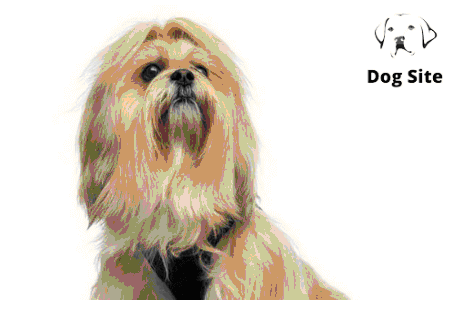
The Lhasa Apso is a beautiful pet that may be stubborn at times and even a little exuberant at others. This is an old breed of dog that has been produced for over two millennia by aristocrats and holy men in Tibet . And was formerly employed to defend the monasteries and temples of the region.
Dalai Lama sent lapdogs to foreign dignitaries visiting Tibet as gifts . So we in the West may thank him for this adorable canine companion we all enjoy to this day. In the 1920s, the Lhasa Apso was first sighted in Britain, and by the 1930s, it had spread to America.
The Lhasa Apso was first recognized by the American Kennel Club in 1935 as a member of the terrier breed . It was later reallocated to the non-sporting group in 1959.
The average dog of this breed should weigh between 13 and 15 pounds and stand at least 11 inches tall, according to breed regulations. Some Lhasas may survive into their twenties, with some surviving into their thirties.
Discretion of Lhasa Apso
Because of its thick hair, this dog seems to be a mop on wheels, with its long limbs draped over its torso. The dog’s face is completely hidden by the thick, straight coat, which falls over the eyes and grows a beard and moustache.
There are black eyes and feathery ears on the Lhasa Apso, as well as a tail that should be carried over its back. In addition to white, this breed may be seen in a variety of other colours including black and brown.
Temperament
One of the best-known breeds of dog is the Lhasa Apso. A faithful and caring companion, they may be wary of strangers. Some dogs are stubborn, while others are eager to please their owners and will do everything they are told.
They are all dogs, after all. They may be a little rambunctious and have a piercing bark that can be hard to ignore.
Health
In general, the Lhasa Apso is a healthy breed, but if their coat is not properly cared for, they may develop skin issues. Hip dysplasia may occur in conjunction to eye or renal issues in certain people. These dogs may, on rare occasions, develop a bleeding ulcer.
Activity
Because of their high level of activity inside, these little dogs may adapt well to living in an apartment as long as they are routinely walked and given the opportunity to run about. This is not a dog that need a lot of activity, but all dogs require at the very least a daily stroll.
Grooming
The lengthy coat of this breed need regular brushing and trimming. The coat will get matted and unmanageable if it is not brushed on a daily basis. Checking the feet for matted hair should be done on a daily basis.
When required, this breed may be dry shampooed and their eyes and ears should be cleaned often. Despite its lengthy pedigree, this breed merely sheds on par with the typical dog.
If you like cats also click here Cat Site